
An old house can still be worth renovating, even when the kitchen feels dated, the layout no longer works, or the systems need attention. The right remodel can bring new life to the home while preserving the character, location, and details that made it worth keeping in the first place.
In this post, we look at the pros and cons of renovating an old house, what it can cost, how to tell if remodeling makes sense, and what to consider before moving forward.
Table of Contents
- The Benefits of Renovating an Old House
- The Challenges of Renovating an Old House
- How to Know if an Old House Is Worth Remodeling
- What Does It Cost to Renovate an Old House?
- Should You Remodel an Old House All at Once?
- Why Design-Build Helps With Older Homes
- Frequently Asked Questions About Renovating an Old House
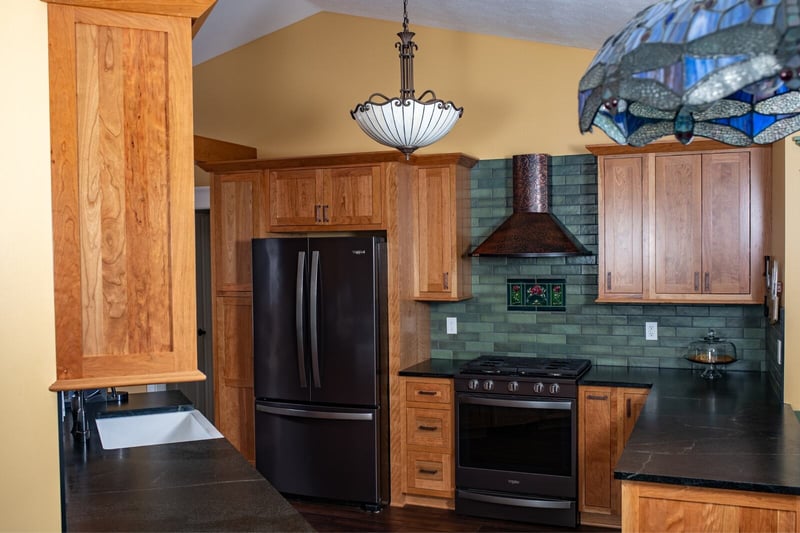
Understanding the pros and cons of renovating an old house can help you decide if the home’s potential outweighs the additional planning and investment an older property may require.
The Benefits of Renovating an Old House
Renovating an old house can allow homeowners to preserve its character, stay in a location they value, and improve how the home functions for modern life.
At Peacock & Company, we often see homeowners choose to remodel because the house already has something they do not want to give up.
That might be the architecture, the neighborhood, or the feeling of walking into a home with details you simply do not see very often anymore.
Unmatched Character
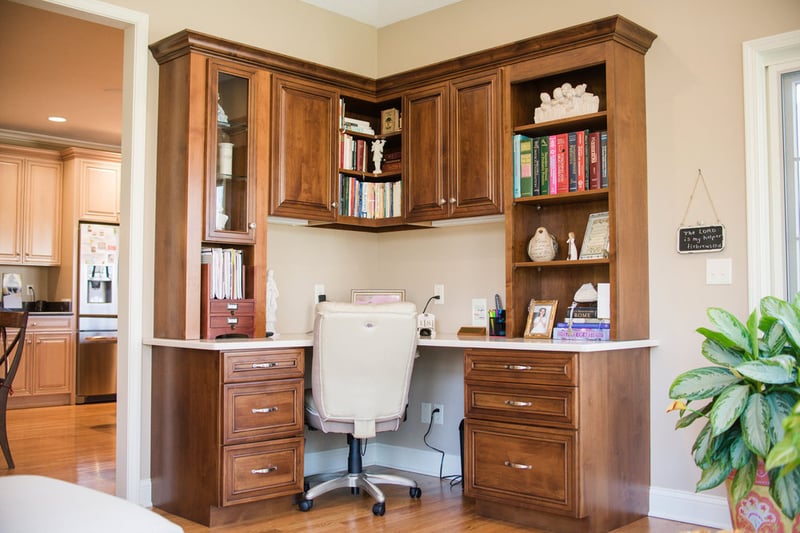
Older homes can have incredible personality. Original hardwood floors, built-ins, substantial woodwork, vintage tile, detailed trim, and other architectural features can give a house warmth and character that would be difficult or expensive to recreate from scratch.
If those elements are still in good condition, they may be well worth restoring.
Refinishing original floors or bringing an old built-in back to life can preserve the parts of the home that already feel special while giving them a fresh start.
And that is an important distinction when remodeling an older house: the goal does not have to be making everything look new.
Sometimes the best result comes from figuring out what should stay.
Customization Opportunities
Older homes often have more potential than their current layouts suggest. A thoughtful remodel can make better use of the existing space while creating rooms that work much better for daily life.
That might mean opening a compartmentalized kitchen into a more comfortable gathering space, creating a more functional primary bathroom, improving the flow between rooms, or turning an underused back entry into a mudroom that supports everyday routines.
You can see examples of these kinds of transformations in our portfolio.
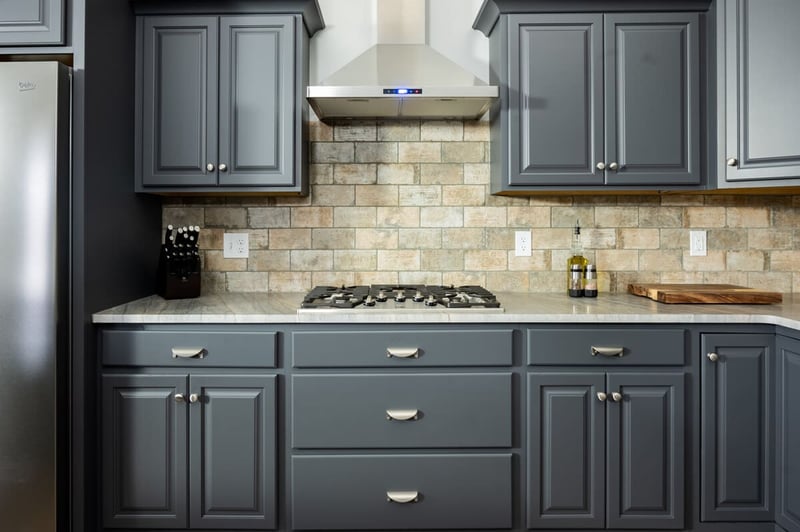
You Can Stay in a Location You Already Love
For many homeowners, the location is one of the biggest reasons to remodel instead of move.
Renovating allows you to improve the house while keeping the neighborhood, yard, commute, schools, or community you already value.
That can be especially appealing in established South Bend and Michiana neighborhoods, where older homes often offer strong character and great locations but need updates for modern life.
Potential Long-Term Value
A thoughtful renovation can improve both the function and long-term appeal of an older home.
Updated kitchens, bathrooms, layouts, storage, and major systems can make the home work better now while also supporting future resale.
The value is not only financial. A successful remodel can also make it easier to stay in a home and neighborhood you already enjoy.
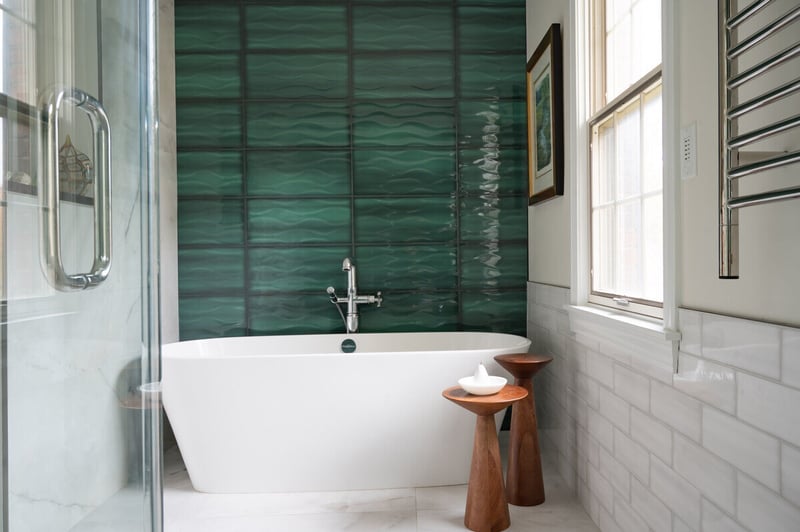
Renovation Can Reduce Unnecessary Waste
Remodeling an existing home can be a more resource-conscious choice than starting over, especially when much of the structure is still usable.
Keeping the home in place can reduce the amount of material sent to landfills and avoid replacing components that still have useful life left.
That does not make every renovation automatically sustainable, but thoughtful planning can help limit unnecessary demolition and make better use of the materials and structure that are already there.
The Challenges of Renovating an Old House
While the charm of an older home is undeniable, the reality is that renovating one isn’t always smooth sailing. Old houses come with quirks, and those quirks often mean extra time, money, and problem-solving. Here’s a breakdown of the biggest challenges and how to handle them like a pro.
Older homes have plenty of charm, but they can also come with conditions that make remodeling more complex.
Aging systems, older construction methods, previous renovations, and surprises behind the walls can all affect the scope, cost, and construction process.
Demolition Can Get Interesting
Demolition in older homes is rarely straightforward. Instead of modern drywall, you’ll likely encounter lath and plaster walls, which are much more time-consuming (and messy!) to remove. Add to that tile set in concrete, and suddenly, taking things apart feels more like an excavation than a demo. A professional team will have the tools and know-how to tackle stubborn materials safely and cleanly.
You never quite know what you’re going to find once demo begins. Hidden water damage, crumbling plaster, rotted wood, or structural issues can appear unexpectedly. Peacock & Company’s detailed planning process helps identify as much of the scope as possible before construction begins, so homeowners have a clearer understanding of the project and price going into the build.
Outdated Plumbing and Electrical Systems
Behind the beautiful trim and hardwood floors, an old house may also have systems that have reached the end of their useful life.
Galvanized plumbing can corrode over time and contribute to low water pressure or leaks. Older electrical systems may have limited capacity, outdated panels, or far fewer outlets than a modern household needs.
Think about everything plugged into a kitchen today compared with a few generations ago.
Bathrooms may also need improved ventilation, updated plumbing, additional electrical work, or other changes beyond the finishes you can see.
These updates may not be the exciting part of the remodel, but they can be some of the most important.
.jpg?width=800&height=533&name=Esther%20St.%20Remodel-92%20(1).jpg)
Structural Changes May Be More Complicated
Opening walls, adding space, or reworking a floor plan can be more involved in an older home.
Existing framing, foundations, roof systems, and previous renovations can all affect what is practical, which is why structural changes should be considered early in the design process.
Blending Old With New Takes a Careful Eye
One of the trickiest parts of remodeling an older home is making new work feel like it belongs.
Trim, flooring, millwork, colors, and other materials should relate to the home’s existing architecture without trying to make every new element look old.
The goal is a space that feels fresh, functional, and connected to the rest of the house.
How to Know if an Old House Is Worth Remodeling
An older house may be worth remodeling when it already offers something you want to keep and can realistically be adapted to your needs.
Consider three things:
The Home
- Do you value the location or architectural character?
- Can the layout be improved without changing everything?
- Is the structure generally suitable for your plans?
The Project
- Would remodeling solve the problems that affect daily life?
- Are you prepared for possible electrical, plumbing, HVAC, or structural updates?
Your Long-Term Plans
- Do you expect to stay long enough to enjoy the improvements?
- Does the investment fit your priorities?
If the answer is mostly yes, remodeling may make sense.
More serious structural concerns, significant water damage, or a scope that requires changing nearly everything do not automatically rule out renovation, but they make it especially important to understand the full project before settling on a design or budget.
What Does It Cost to Renovate an Old House?
In Michiana, renovating an old house can range from about $27,000 for a smaller bathroom project to $500,000+ for a major whole-home renovation, depending on the scope and condition of the home.
Project ranges can include:
- Kitchen remodels: $50,000 to $175,000+
- Bathroom remodels: $27,000 to $75,000+
- Whole-home remodels: starting around $200,000, with many projects ranging from $300,000 to $500,000+
Older homes can cost more when the project includes structural changes, outdated electrical or plumbing, restoration work, or other hidden conditions.
These are ballpark planning ranges, not project quotes. The final cost depends on what the house needs as a whole.
For more information, see our Cost Guide.
Should You Remodel an Old House All at Once?
Not always. Some older homes can be remodeled successfully in phases, while others benefit from planning and completing more of the work together.
It depends on how connected the projects are. A kitchen, mudroom, addition, or major plumbing and electrical work can affect other parts of the house, so tackling related spaces at the same time may be more efficient.
Even if you plan to remodel in phases, it helps to think about the home as a whole before starting the first project.
Learn more about planning a remodel around real life.
Why Design-Build Helps With Older Homes
Older-home remodels often involve design, structural, plumbing, electrical, and finish decisions that are closely connected.
Peacock & Company’s design-build process brings those pieces together early, so the team can develop the layout, selections, scope, and construction plan before the build begins.
That upfront coordination helps create a clearer project plan and allows Peacock to provide a fixed-price proposal before construction starts.
Frequently Asked Questions About Renovating an Old House
Is it worth renovating an old house?
It can be, especially if you already value the location, character, or layout potential of the home. We usually recommend looking at the home’s condition, the scope of work, and your long-term plans before deciding.
What are the pros and cons of renovating an old house?
The biggest advantages are preserving character, improving function, and staying in a location you already love. The main challenges are aging systems, hidden conditions, structural limitations, and the added planning that older homes can require.
Can an older home be remodeled for better energy efficiency?
Yes: depending on the project, improvements may include updated windows, insulation, HVAC, lighting, appliances, and air sealing. The right upgrades depend on the home and the scope of the remodel.
Do older homes always cost more to remodel?
Not always. Cost depends more on the house's condition and the amount of work required. An older home with updated systems may be simpler to remodel than a newer home with major structural or layout changes.
Giving an Older Home New Life in South Bend and Michiana
Older homes often have a story worth keeping. The right remodel can preserve the details that give a house its character while creating spaces that feel more comfortable, functional, and suited to the way you live today.
Peacock & Company helps homeowners throughout South Bend, Michiana, and Southern Michigan thoughtfully rework older homes with design and construction working together from the start.
If you are considering a remodel, contact us to start a conversation about what is worth preserving, what needs to change, and what your home could become.